
Anxiety Care at EverKind Pediatrics
Helping Children Feel Safe, Confident, and Resilient
Every child worries. It's normal to feel nervous before the first day of school, a big test, or sleeping away from home. In fact, worry can be a benefit. This is what makes us look both ways before crossing a street or study for that big test.
But when worry becomes so overwhelming that it interferes with friendships, school, sleep, or everyday life, it may be more than just typical childhood worries.
At EverKind Pediatrics, we understand that anxiety is real. It is not a sign of weakness, poor parenting, or a child who simply needs to "toughen up."
Anxiety is one of the most common childhood mental health conditions, and it is highly treatable.
Our goal is to help children understand their emotions, build confidence, and develop the skills they need to thrive
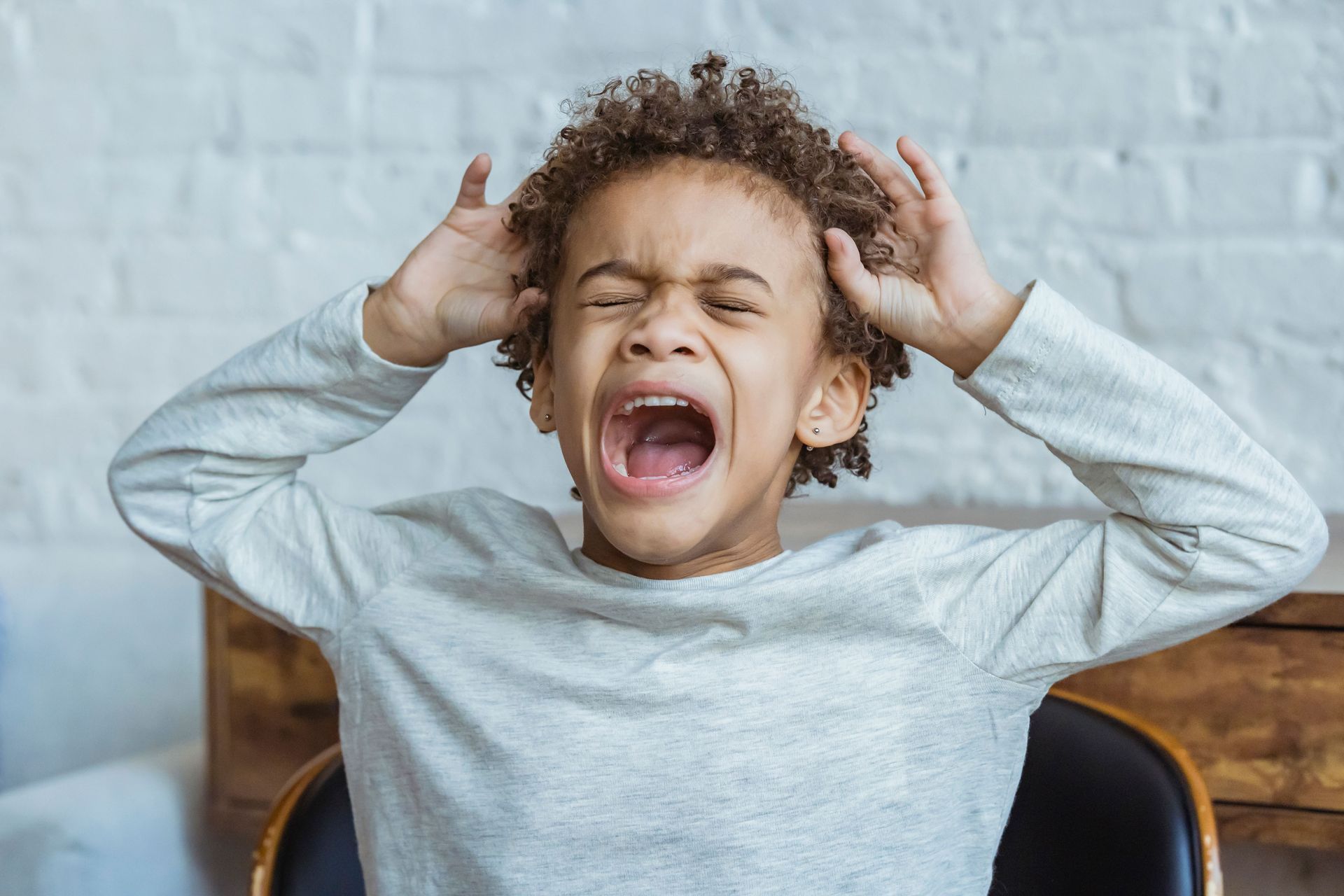
What Is Anxiety?
Anxiety is the body's natural alarm system.
When we perceive danger, our brain prepares us to fight, flee, or freeze. This response is helpful in truly dangerous situations.
Sometimes, however, the alarm system becomes overactive and begins responding to everyday situations that are not actually dangerous.
Children with anxiety are not choosing to worry. Their brains are working overtime to keep them safe
Signs of Anxiety
Children don't always say, "I'm anxious." Instead, anxiety often shows up in other ways.
Your child may:
● Worry constantly
● Need frequent reassurance
● Have difficulty separating from parents
● Avoid school or activities
● Cry easily
● Become irritable or angry
● Have trouble sleeping
● Complain of headaches or stomachaches
● Become perfectionistic
● Have panic attacks
● Refuse to try new things
● Seem "shy" or withdrawn
● Have trouble concentrating
Sometimes anxiety looks like defiance, procrastination, or emotional outbursts when a child is actually overwhelmed.
Physical Symptoms of Anxiety
Because anxiety affects both the brain and the body, children may experience:
● Stomach pain
● Nausea
● Vomiting
● Headaches
● Chest tightness
● Racing heart
● Dizziness
● Sweating
● Shaking
● Muscle tension
● Fatigue
Many children with anxiety first come to the pediatrician because of these physical symptoms.
Types of Anxiety We Commonly See
Generalized Anxiety Disorder (GAD)
Persistent worry about everyday life, school, health, or family.
Separation Anxiety
Excessive fear of being away from parents or caregivers.
Social Anxiety
Fear of being judged, embarrassed, or speaking in front of others.
Panic Disorder
Sudden episodes of intense fear with physical symptoms such as chest pain, shortness of breath, or dizziness.
Specific Phobias
Intense fears of particular objects or situations, such as needles, storms, dogs, or vomiting.
School Avoidance
Difficulty attending school because of overwhelming anxiety rather than lack of motivation.
Anxiety Often Occurs Alongside Other Conditions
Children with anxiety may also have:
● ADHD
● Depression
● Autism Spectrum Disorder
● OCD
● Learning differences
● Tic disorders
● Chronic medical conditions
Looking at the whole child helps us create the most effective treatment plan
What Happens During an Anxiety Evaluation?
Every child is different. During your visit, we take time to understand your child's experiences and identify the factors contributing to their symptoms.
An evaluation may include:
● Medical history
● Developmental history
● Family history
● Review of school performance
● Parent interview
● Child interview
● Standardized anxiety questionnaires
● Screening for ADHD and depression
● Assessment for sleep concerns
● Physical examination when appropriate
We also evaluate for medical conditions that can sometimes contribute to anxiety symptoms.
Anxiety Treatment
Treatment is individualized because every child is unique.
Depending on your child's needs, recommendations may include:
Education
Understanding anxiety is often the first step toward feeling better. We help children and parents understand how anxiety affects the brain and body.
Lifestyle Habits
Simple changes can make a meaningful difference:
● Consistent sleep
● Regular physical activity
● Balanced nutrition
● Limiting excessive caffeine and energy drinks
● Reducing screen time before bed
Therapy
Many children benefit from therapy, particularly Cognitive Behavioral Therapy (CBT), which teaches practical skills for managing anxious thoughts and gradually facing fears.
We can help connect families with trusted mental health professionals when appropriate.
School Support
Some children benefit from temporary accommodations as they build coping skills.
We can help families navigate:
● 504 Plans
● School accommodations
● Communication with teachers
● Return-to-school planning
Medication
For children whose anxiety significantly affects daily life, medication may be an important part of treatment.
When appropriate, we discuss:
● Benefits and potential side effects
● Expected timeline for improvement
● Ongoing monitoring
● Regular follow-up visits
Medication is never the only option and is always considered carefully in partnership with families.
When Should You Seek Help?
Consider scheduling an evaluation if anxiety is:
● Affecting school performance
● Causing frequent physical complaints
● Interfering with friendships
● Preventing participation in activities
● Disrupting sleep
● Creating significant distress for your child or family
Early treatment can prevent anxiety from becoming more severe and help children build lifelong coping skills.
Why Families Choose EverKind Pediatrics
At EverKind Pediatrics, we know that emotional health is just as important as physical health.
We create a welcoming environment where children and teens feel heard, respected, and safe to talk about difficult emotions. We partner closely with families, recognizing that parents know their children best and are essential members of the care team.
Our goal isn't simply to reduce worry. Our goal is to help children develop confidence, resilience, and the emotional tools they need to enjoy childhood and navigate life's challenges with courage.
Ready to Schedule an Evaluation?
If your child is struggling with anxiety, you don't have to face it alone.
Whether your child is experiencing frequent worries, panic attacks, school avoidance, or physical symptoms related to anxiety, we're here to help.
Contact EverKind Pediatrics to schedule an anxiety evaluation or follow-up visit.
Together, we'll create a thoughtful, individualized plan to help your child feel more confident, capable, and supported.