
Depression Care at EverKind Pediatrics
Helping Children and Teens Find Hope Again
Every child has difficult days. It's normal to feel sad after a disappointment, frustrated after a bad day at school, or overwhelmed by life's challenges.
But when sadness, irritability, or loss of interest lasts for weeks and begins to affect school, friendships, family life, or daily activities, it may be a sign of depression.
At EverKind Pediatrics, we believe emotional health is just as important as physical health. Depression is a medical condition, not a personal weakness, a parenting failure, or something a child can simply "snap out of."
Most importantly, depression is treatable.
With the right support, children and teens can recover, regain confidence, and rediscover joy.
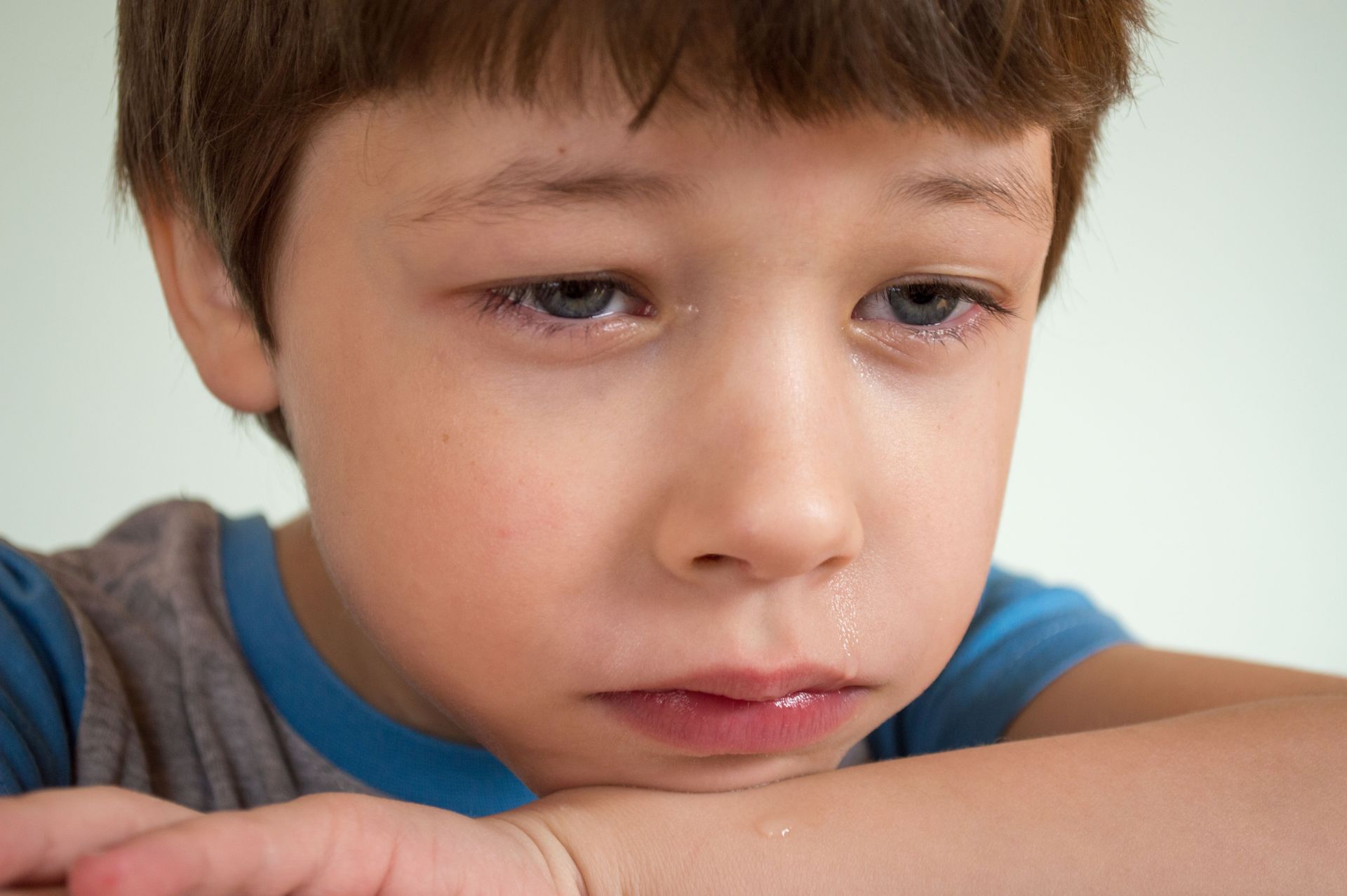
What Is Depression?
Depression is a medical condition that affects the way a person thinks, feels, and functions.
Brain chemistry is changed, making it harder to experience joy, concentrate, maintain motivation, and cope with everyday challenges.
Children and teens with depression often want to feel better, but they may not know how to explain what they're experiencing.
Signs of Depression
Depression doesn't always look like sadness.
In children and adolescents, it may appear as:
● Persistent sadness
● Increased irritability or anger
● Frequent crying
● Loss of interest in favorite activities
● Withdrawal from family or friends
● Declining school performance
● Trouble concentrating
● Changes in appetite
● Weight changes
● Sleeping too much or too little
● Low energy
● Feelings of guilt or worthlessness
● Hopelessness
● Frequent physical complaints such as headaches or stomachaches
● Increased sensitivity to criticism
Teens may also become more isolated, lose motivation, or take greater risks.
Depression Can Affect the Whole Family
Depression often changes how children interact with those around them.
Parents may notice that their child:
● Seems like "a different person"
● Stops enjoying hobbies or sports
● Avoids friends
● Has more conflicts at home
● Becomes overwhelmed by small tasks
● Struggles to get out of bed
● Has difficulty completing schoolwork
These behaviors are often symptoms of depression, not signs of laziness or a lack of effort.
What Causes Depression?
Depression is usually the result of many factors working together.
These may include:
● Genetics and family history
● Brain chemistry
● Stressful life events
● Trauma
● Bullying
● Chronic medical conditions
● Anxiety
● ADHD
● Learning differences
What Happens During a Depression Evaluation?
Every child deserves to be heard with compassion and without judgment.
During your visit, we take time to understand your child's emotional well-being, daily functioning, and life experiences.
An evaluation may include:
● Medical history
● Developmental history
● Family mental health history
● Parent interview
● Child or teen interview
● Depression screening questionnaires
● Anxiety screening
● ADHD screening when appropriate
● Review of school performance
● Assessment of sleep and nutrition
● Physical examination when indicated
We work to understand the whole child before making recommendations.
Depression Often Occurs Alongside Other Conditions
Many children with depression also experience:
● Anxiety
● ADHD
● Autism Spectrum Disorder
● Learning differences
● Chronic pain
● Sleep disorders
● Trauma-related conditions
Recognizing these conditions allows us to create a more complete treatment plan.
Treatment for Depression
Treatment is individualized and depends on each child's age, symptoms, and needs.
Recommendations may include:
Education
Helping children and families understand depression can reduce fear and stigma while creating a path toward recovery.
Lifestyle Habits
Supporting emotional health includes:
● Consistent sleep
● Regular physical activity
● Balanced nutrition
● Daily routines
● Healthy social connections
● Limiting excessive screen time when appropriate
Therapy
Many children benefit from therapy, including Cognitive Behavioral Therapy (CBT) or other evidence-based approaches that help them develop healthy coping skills and resilience.
We can help connect families with trusted mental health professionals when appropriate.
School Support
Depression can significantly affect learning and attendance.
We can help families work with schools regarding:
● Temporary accommodations
● 504 Plans
● Attendance concerns
● Communication with teachers and counselors
Medication
For some patients, medication may be an important part of treatment.
When appropriate, we discuss:
● Benefits and potential risks
● Expected timeline for improvement
● Common side effects
● Ongoing monitoring
● Regular follow-up visits
Medication decisions are made thoughtfully and collaboratively with families.
Thoughts of Self-Harm or Suicide
Sometimes depression can lead children or teens to have thoughts of hurting themselves or feeling that life is not worth living.
These thoughts should always be taken seriously.
If your child tells you they are thinking about hurting themselves, talks about wanting to die, has attempted suicide, or you believe they are in immediate danger, call 911 or go to the nearest emergency department immediately.
If your child is experiencing a mental health crisis but is not in immediate physical danger, call or text 988 to reach the Suicide & Crisis Lifeline. Compassionate, trained counselors are available 24 hours a day, 7 days a week to provide immediate support and help connect you with local resources.
If the situation is not an emergency but you are concerned about your child's mood, behavior, or emotional well-being, please contact EverKind Pediatrics as soon as possible. We can help assess your concerns, determine the next best steps, and coordinate ongoing care and appropriate mental health resources.
You are not alone. Depression is treatable, and help is always available.
Why Families Choose EverKind Pediatrics
At EverKind Pediatrics, we know that talking about depression can feel overwhelming.
Our office is a place where children, teens, and parents can have honest conversations without judgment. We believe in listening first, building trust, and partnering with families to create thoughtful, evidence-based care plans.
We care for the whole child—not just their symptoms—and we remain committed to supporting families throughout their journey toward healing.
Ready to Schedule an Evaluation?
If you're concerned that your child or teen may be struggling with depression, we're here to help.
Whether you're noticing changes in mood, behavior, school performance, or daily functioning, we can help evaluate your concerns and develop an individualized treatment plan.
Contact EverKind Pediatrics to schedule an evaluation or follow-up visit.
Together, we'll help your child move toward healing, hope, and a brighter future.